Blog • Insights
How the Wait State is Vanishing from Digital Experiences
In an ideal digital world, waiting wouldn’t exist. You would request a piece of information or perform an action, and it would instantly appear on your screen.
Unfortunately, we’re bound by network latency, database crunching, and the laws of physics. And so, waiting is an inevitable part of any digital experience. Because we can’t eliminate the wait, we’ve spent years trying to disguise it.
But now, we’re transitioning from an era where we tried to mitigate the wait to an era where the wait itself is becoming part of the experience. The boundary between “loading” and “reading” is beginning to dissolve.
The Era of Uncertainty
It began with the spinner. We all know the spinning wheel, the hourglass, and the buffering icon. This era was defined by a binary user experience. You were either in a state of using the application or you were in a state of waiting for the application. The two were mutually exclusive zones.
The spinner is notoriously bad UX because it focuses entirely on the needs of the system rather than the needs of the user. It says “I’m busy” but offers no estimate of completion and no context as to what’s happening. It’s a void of information, and voids create user anxiety.
The Era of Mitigation
Eventually, we realized that if we couldn’t make the data arrive faster, we had to make the time feel shorter. This led to the rise of the Skeleton Screen (also often called placeholder UI).
You’ve likely seen these gray, pulsing placeholders that show the structure of a page before the content arrives. Skeleton screens mainly rely on the psychological principle that occupied time feels shorter than unoccupied time.
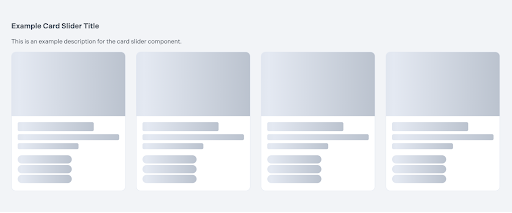
By giving users the page structure, including the layout, the image slots, and the headline placement, we allowed them to orient themselves mentally. We were not eliminating the wait, but we were mitigating it by blurring the lines. The interface had arrived even if the data had not.
The Generative Future and the Active Wait
Today, Generative AI and streaming interfaces are again fundamentally changing how we wait. In a traditional app, you wait for data to be retrieved. In a Generative AI app, you’re waiting for data to be created.
When you ask ChatGPT or Claude a question, you don’t get a spinner. You get a blinking cursor, followed by text streaming in, token by token, word by word. The loading state is no longer a separate phase because it’s integrated directly into the interaction. You begin reading the answer before the system has finished creating it.
Users have actually shown a preference for this kind of waiting state. The stream serves as a psychological proof-of-work. It assures the user that a unique answer is being crafted just for them rather than pulled from a pre-written database of answers. Watching the stream mimics the pace of human thought, which makes the interaction feel more like collaboration and less like a transaction.
Why Your Waiting Strategy Matters
The evolution from static spinners to active streaming is not just a trivial point about interface design. It represents a fundamental shift in how organizations build trust with their audiences.
Every moment a user spends waiting is a moment where their confidence in your organization or product hangs in the balance. A generic spinner suggests a system that is struggling or indifferent. It treats the user’s time as an afterthought. In contrast, a skeleton screen or a generative stream demonstrates competence and empathy. It signals that the system is responsive and transparent.
For mission-driven organizations and those building civic tech, this distinction is real and important. For a user seeking disaster relief or healthcare coverage, a static spinner is not just annoying; it can be terrifying. It creates a moment of doubt. Did it work? Did I lose my place? Relieving that anxiety is an act of empathy. The way your application handles that pause determines if the user feels supported or abandoned.
Designing for the Living Interface
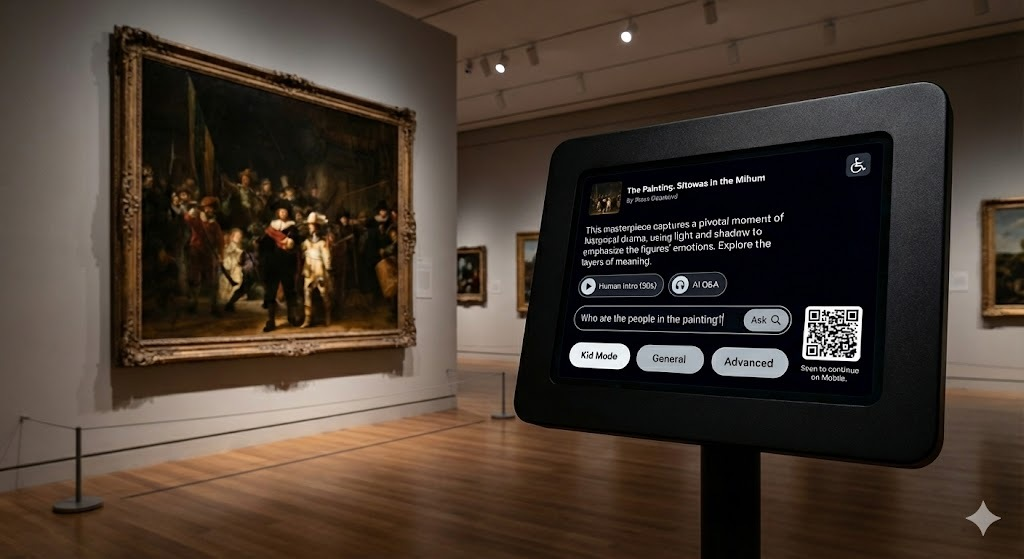
As we look toward the future, we must stop treating loading states as a technical necessity to be hidden and start treating them as a core part of the user experience.
This means looking at your current digital platforms with a critical eye. If you’re still relying on generic loading icons to mask performance gaps, you’re missing an opportunity to communicate progress.
If you’re planning a new application, you have the chance to leapfrog the status quo. This goes beyond skeleton screens. It means exploring streaming solutions that deliver content the millisecond it becomes available, rather than waiting for a full payload. It means considering Generative UI, where the interface doesn’t just display data but adapts its layout in real-time based on the user’s intent. These technologies can keep users engaged with the process rather than frustrated by the delay.
The goal is no longer just to make the application fast. The goal is to make the application feel alive.
We’re entering a time where the best digital experiences will be the ones that turn the wait into a conversation. By embracing transparency and active states, you show your users that you value their time just as much as they do. The future is not just about eliminating the wait; it’s about transforming the pause into a moment of engagement.